Clara Wagner · 28 September 2026
Heathgate Birdwatchers Track Shifts in Rare Migration Routes Across Protected Reserves
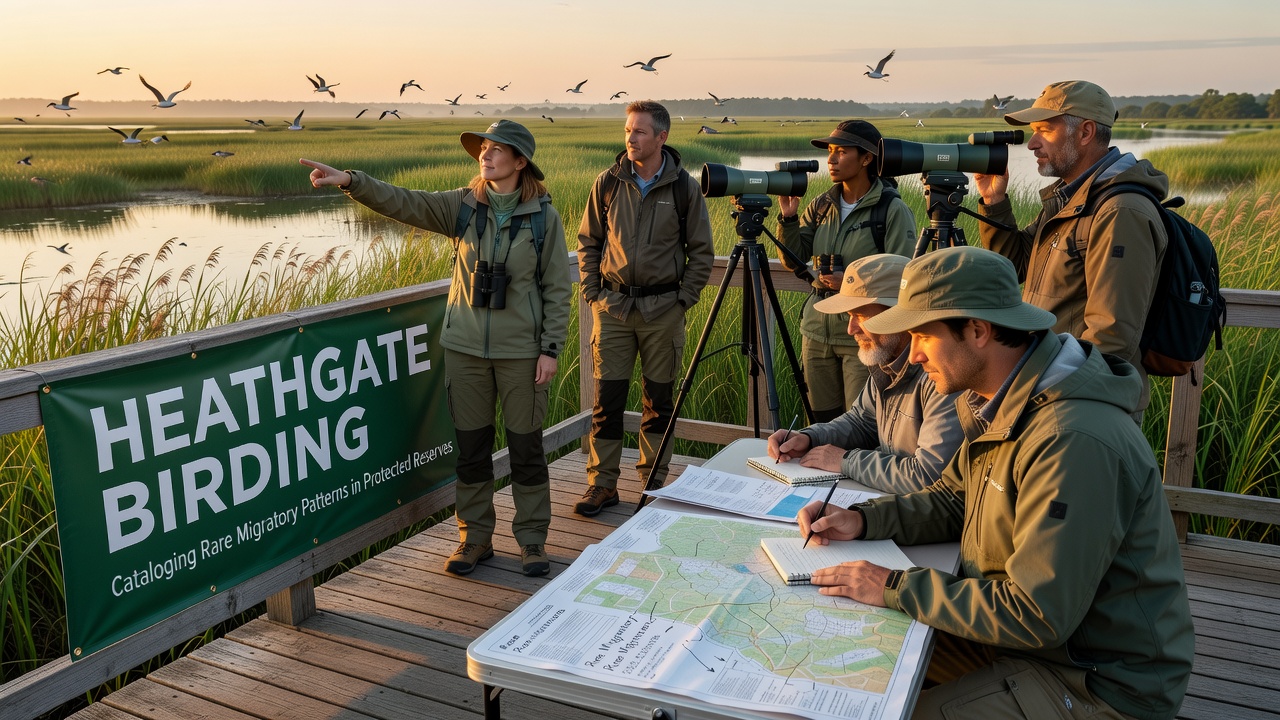
Enthusiasts in Heathgate have spent years compiling detailed records of migratory bird movements through the area's protected reserves, and their latest findings highlight several unusual patterns that emerged during the 2026 season. Groups meet regularly at dawn to log sightings, using standardized notebooks alongside digital apps that timestamp each observation and cross-reference species against historical data sets maintained by local conservation groups.
Core Activities of the Local Birdwatching Network
Members of the network focus on species such as the lesser spotted woodpecker and certain warbler variants that pass through the heathland corridors on their way south. They record arrival dates, flock sizes, and preferred stopover points within the reserves, then compile the information into annual catalogs shared with regional wildlife databases. These catalogs now span more than a decade and show measurable changes in timing compared with earlier records.
September 2026 Observations
During September 2026 observers noted an earlier-than-average influx of certain trans-Saharan migrants, with several individuals arriving nearly two weeks ahead of the long-term median dates listed in the group's archives. The data indicates that warmer late-summer conditions may have influenced departure cues on breeding grounds farther north, while the reserves themselves provided consistent feeding sites once the birds reached Heathgate. Teams divided the reserves into grid sections to ensure even coverage, and the resulting maps reveal that certain wetland patches attracted higher concentrations of reed warblers than in previous years.
Methods and Tools in Use
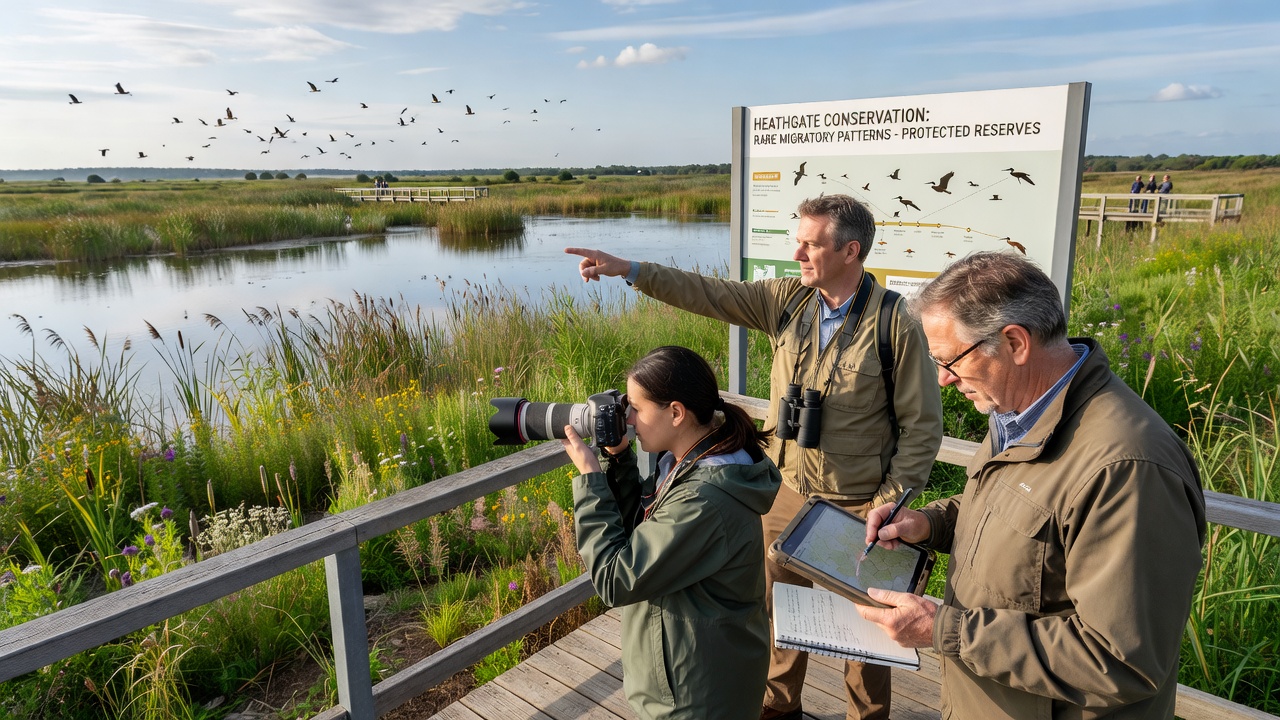
Participants rely on a combination of traditional field skills and modern technology. Binoculars and spotting scopes remain essential, yet many now carry GPS units that mark exact locations of each sighting. The catalogs incorporate photographs and sound recordings, allowing later verification by specialists at partner organizations. Data from these efforts feeds into larger European migration studies, where similar patterns have been documented in comparable heathland habitats. One researcher who reviewed the Heathgate records pointed out that consistent volunteer coverage over multiple seasons strengthens the reliability of trend analysis.
Protected Reserves and Their Role
The reserves encompass a mix of dry heath, scattered woodland, and seasonal wetlands that together support a wide range of stopover needs. Fencing and signage limit public access to sensitive zones, while volunteer patrols help reduce disturbance during peak migration periods. According to records maintained by the Royal Society for the Protection of Birds, such managed landscapes often serve as critical refueling stations for species traveling long distances. Heathgate's network contributes site-specific details that complement broader surveys, adding granularity to regional overviews.
Local enthusiasts also collaborate with academic teams from institutions outside the UK. A joint project with researchers at the Cornell Lab of Ornithology has incorporated Heathgate data into models that examine how climate variables affect route selection. Those models suggest that certain flyways may shift northward over coming decades, a possibility the Heathgate catalogs are already helping to monitor through continued observation.
Community Involvement and Record Keeping
Monthly meetings allow volunteers to compare notes and update the shared database. Newer members receive training in identification and data-entry protocols so that standards remain consistent across seasons. The catalogs themselves are stored both digitally and in bound volumes kept at the village archive, providing a durable backup. Figures from the 2026 season show that participation increased by roughly fifteen percent compared with the previous year, expanding the number of observer-hours logged across the reserves.
Challenges Encountered
Weather variability sometimes reduces visibility during key weeks, yet teams adapt by scheduling additional sessions on clearer days. Habitat changes caused by natural succession or occasional management burns require the group to adjust survey routes, and members note these adjustments in the margins of their records. Despite these variables, the long-running nature of the project allows analysts to separate short-term fluctuations from longer-term trends.
Conclusion
The ongoing work of Heathgate's birdwatching enthusiasts supplies a detailed local record of migratory activity that supports wider scientific understanding. Their catalogs continue to grow with each season, and the patterns documented through 2026 offer a baseline against which future observations can be measured. Continued participation adn careful record keeping ensure that the reserves remain well monitored while contributing usable data to regional and international studies.